On the Camino de Santiago through the Klostertal / Arlberg trail
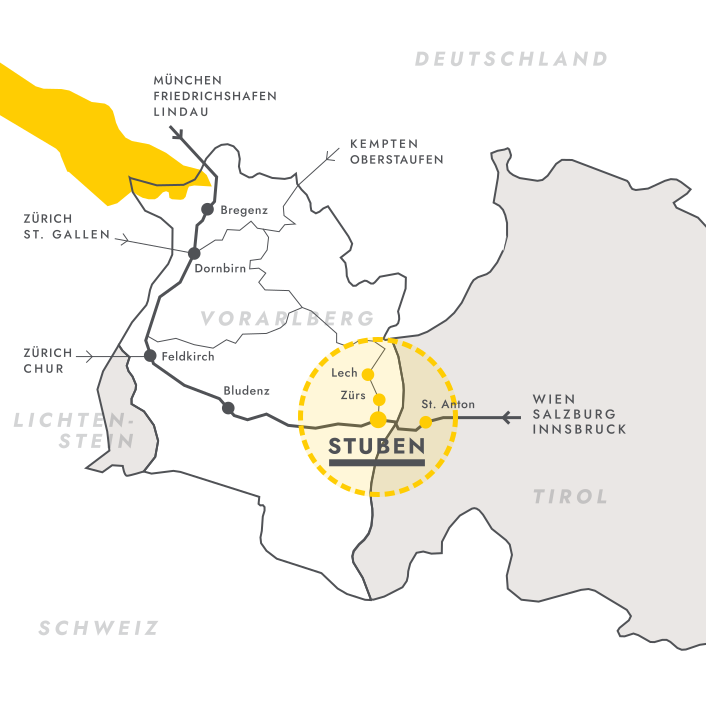
Coming from Landeck and passing St. Anton am Arlberg, you reach St. Christoph. Here stands the Arlberg Hospice, founded in 1386 by Heinrich Findelkind to provide shelter and accommodation for travellers in need. To this day, it is the seat of the Brotherhood of St. Christoph.
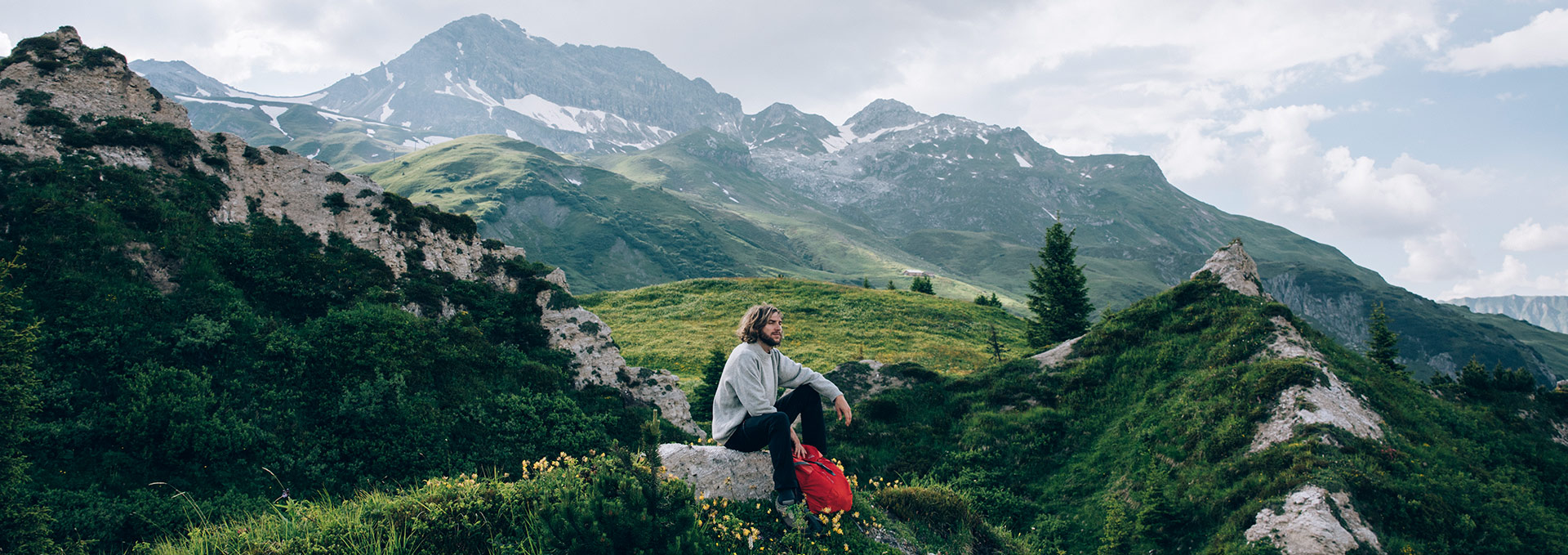
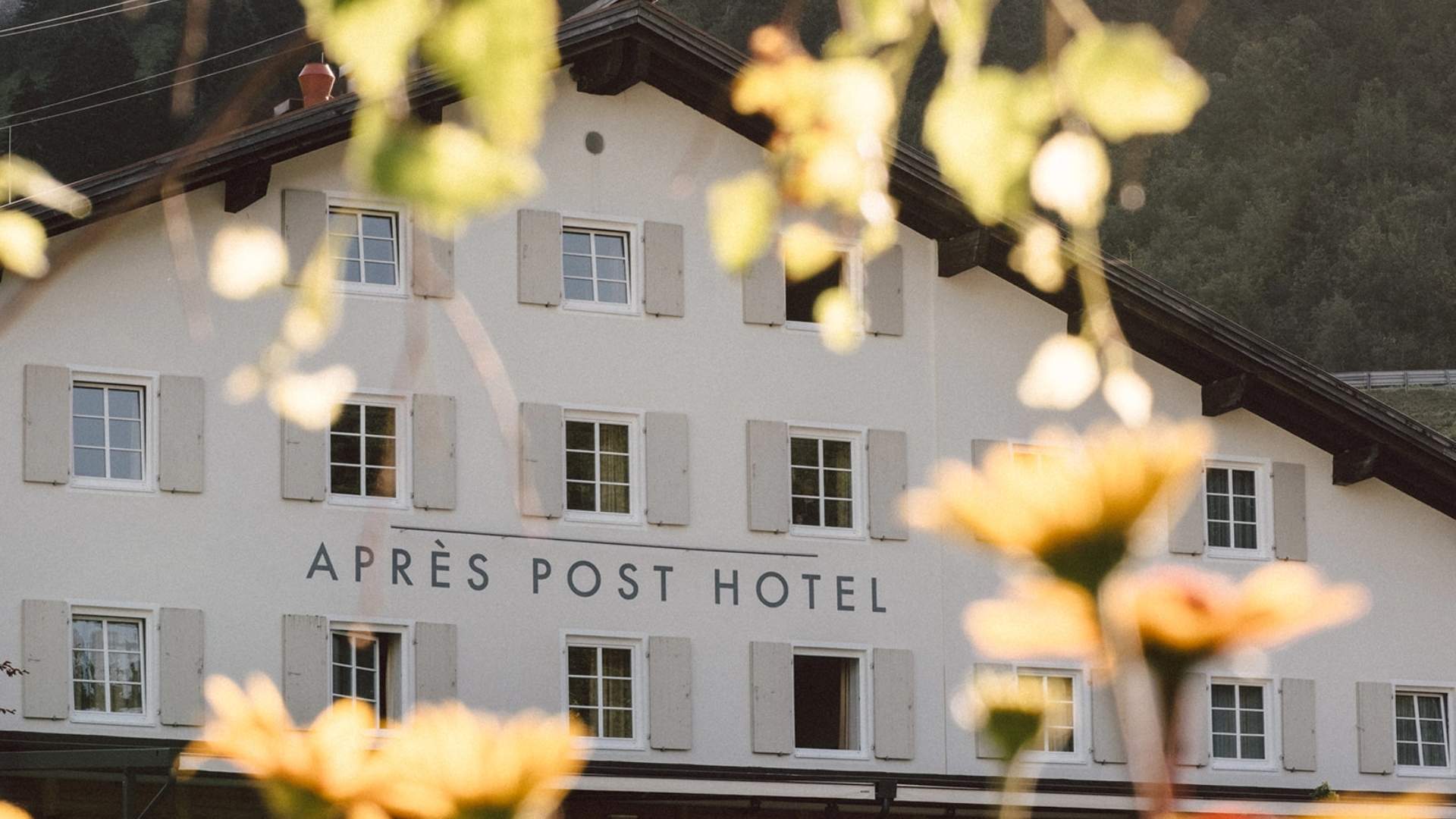
From the car park in St. Christoph, you cross the pass on the historic Arlberg trail, which leads you to Alpe Rauz. From there you continue alongside the Rauzbach stream through the Rauz gorge down to Stuben. Passing the church, you reach Hotel POST – the pilgrim-friendly accommodation in Stuben.
From Stuben, an attractive footpath leads to the Passürtobel, from where you can reach Langen via the disused federal road. From Langen, after the railway was rerouted through the new Großtobel tunnel, you have the opportunity to follow the old railway line to Klösterle. Here, a wonderful panorama awaits you, with views of the 2,244 m-high local mountain “Burtschakopf” opposite.
As part of the opening celebrations of the Arlberg Railway, Emperor Franz Joseph I paid the municipality of Klösterle a short visit in 1884. He did not miss the chance to personally inspect the Wäldletobel Bridge (built in 1883). You, too, can quite literally follow in the Emperor’s footsteps—descending the steps and admiring this impressive engineering masterpiece on site: the “Wäldletobel Viaduct”.
In Klösterle, the Johanniter Hospice now awaits you. The hospice was founded in 1218 by Count Hugo I of Montfort. The town and the valley—today’s Klostertal—take their name from this medieval “Clösterlin”. Framed by the Lechtal Alps and the Verwall range, a varied landscape awaits you, above all the striking contrast between the two sides of the valley.
“Spiritual hikes”
Pilgrimage routes reimagined
How can a motorway bridge become a pilgrimage station?
What might a fallen tree invite me to do?
What leads me to my sources?
In their book “Spiritual Hikes”, Ulrike and Christian Dittmar describe how pilgrimage routes can be experienced in a completely different way: walking as a spiritual practice, pausing for reflection and awareness, and drawing strength from movement and meditation.
Across eight sections of the route, the authors show what you can experience beyond the physical act of walking: trees as a symbol of life’s rhythm; footprints in snow or sand prompting reflection on your own path in life; a spring as a symbol of your life source; finding your own pace through slow walking; crossroads, stones and walls as metaphors for obstacles on your life journey; or sunlight as a sign of hope and new beginnings.
“With the help of this book, anyone can try out how walking feels for them. It is a guide to mindfulness. In a world of images and constant sensory overload, hiking can help us relearn calm, loving observation—perhaps even praying with our eyes.” This is how journalist Franz Alt summarises the book’s message in his foreword.